

Bikini Hair Removal: Can You Use IPL on the Private Parts?

Bikini line laser hair removal is a common way to get smooth skin without hair in private spots. Lots of folks ask if Intense Pulsed Light (IPL), a usual tool at home and in clinics, fits for those areas. The answer is yes—IPL can work safely and well on the bikini zone, if you do it right with the correct machine and care.
IPL Hair Removal Technology and Its Application to the Bikini Area
How IPL Works for Hair Reduction
IPL sends out wide light that aims at the color in hair roots. The light changes to heat. This hurts the root and stops new hair. This way of focused heat harm makes sure the hair root takes in most energy. The skin nearby stays mostly fine. But hair grows in phases. So you need many meetings. These are often weeks apart for good, lasting outcomes.
Differences Between IPL and Laser Hair Removal for the Bikini Line
Both ways try to cut hair growth. Yet IPL and laser vary in sharpness and how deep they go. One good thing about IPL over other light ways, like laser ones, is IPL uses many light lengths. So it can handle various skin tasks. Laser machines give off one tight beam. This makes them better on rough or deep hairs—ones you often find in the bikini spot. But IPL device’s wider light lets it fix big areas fast. And that suits people who want to handle the bikini line plus nearby bits quickly.
Skin color match also changes: laser setups like diode or Nd:YAG might fit darker skin better. While regular IPL does best on light to medium skin with dark hair.
Safety and Suitability of IPL for Private Areas
Sensitivity of the Bikini Area and Implications for IPL Use
The bikini spot has thinner skin that’s more tender than other body parts. So it can get annoyed easily if you treat it wrong. Machines need low power settings in this place. Right way to apply is key—go slow, make full touch with skin, and use cooling parts. These can lessen hurt and stop burns.
Skin Tone and Hair Color Considerations
IPL does best on pale skin with dark hair because it hits color. If you have dark skin or super light hair (gray, white, red), outcomes could be weaker or more risky. New machines often have built-in checkers that spot skin color and change strength on their own—this helps a lot when fixing touchy spots like the bikini line.
Contraindications and Who Should Avoid Treatment in This Area
Skip IPL on new tan skin, or over cuts or ongoing sores. Plus, people on meds like isotretinoin (Accutane) or light-sensitive drugs should chat with a skin doctor first. Folks who are pregnant or nursing usually get told to avoid IPL just to be safe.
Preparing the Bikini Area for IPL Treatment
Pre-Treatment Steps for Optimal Results
For top outcomes, shave the bikini area a day before. This stops burns from long hairs on top. Yet it keeps enough hair under skin for the light to aim at. Skip wax or pluck for at least four weeks prior. Those methods take out the whole root.
Patch Testing and Device Calibration
Doing a test on a tiny part of your bikini line shows how skin acts. This lets you set machine options safely before you start. Devices like Anchorfree’s MegaFlash give changeable energy levels (1–3) and in-built safety checkers to fit various skin types.
What to Expect During a Bikini IPL Session
Procedure Overview and Sensation Management
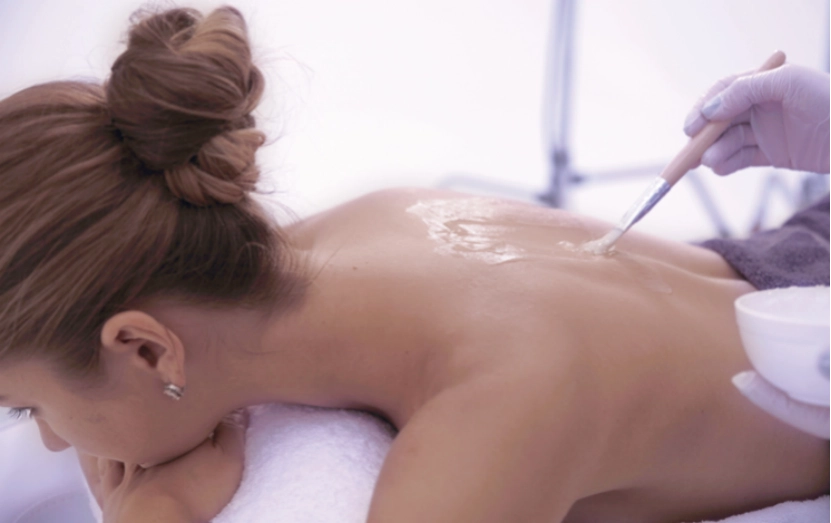
Usually, you put on a cooling gel to ease any hurt. Then the tool sends light bursts over the spot. You could feel a soft snap or tingle—like a rubber band pop. Numbing creams are a choice but not always needed if cooling works well.
Professional vs At-home Devices: Practical Considerations
Pro treatments give better aim and deeper reach with high-level machines under skilled eyes. But home devices like Anchorfree’s StyLight are built for safety. It uses an imported double lamp setup with a gold-standard wavelength (650–1200 nm), ice-cooling touch, and energy up to 7.5 J/cm²—which keeps it safe for tender spots like the bikini line.
Post-Treatment Care and Maintenance of Results
Immediate Aftercare Guidelines for the Bikini Area
After a session, use calming aloe vera gel or a soft moisturizer without smells. Skip hot baths, tight outfits, and stuff that rubs for at least two days.
Managing Side Effects and Promoting Skin Recovery
Some redness or puff is normal; cold packs can cut swelling. Watch for blisters or color shifts, specially if your skin is easy to bother.
Long-Term Effectiveness and Maintenance Sessions
Expected Hair Regrowth Patterns After IPL Treatments
Hair does not go away right then. Treated hairs drop in one to two weeks. New ones get thinner as time passes. A whole plan often needs six to eight sessions. Then keep up every two to three months.
Factors Influencing Longevity of Results
Shifts in hormones (such as in pregnancy), family genes, or uneven session times can change results. Sticking to your plan boosts how well it works a bunch.
Guidelines for Safe Use of IPL Devices on Intimate Areas
Choosing a Device Suitable for Sensitive Skin
Seek FDA-okayed choices with settings you can change and cooling bits. Anchorfree’s MegaFlash has an ice-cooling end and safety checkers that shift on their own based on skin touch.
Best Practices for Treatments on the Bikini Line
Go through your machine’s guide completely. Follow the suggested gaps (often every two to four weeks). Do not raise strength past your test patch level—even if progress feels slow.
Common Myths and Misconceptions About Bikini Line Laser Hair Removal
Clarifying Misunderstood Aspects of Safety and Efficacy
IPL does not go deep enough to hit inside body parts or baby-making. IPL does not cause infertility or internal damage when used correctly. Results are not fully forever, but steady use can bring close to forever less hair.
Addressing Concerns About Pain and Skin Damage
The feel is okay for most folks, specially with cooling help. Burns mostly come from bad use or wrong machine settings. Color troubles are not common when you use right levels.
Professional Recommendations Before Starting Bikini Area IPL Treatments
Importance of Consulting Trained Practitioners
It’s key to speak with a skin doctor before any strong light fix. They can check your skin shade, hair kind, and health past to see if IPL fits—and is safe—for you.
Customizing Treatment Plans Based on Individual Needs
Each person’s ease, tenderness, and aims differ. If you pick pro sessions or equipments like from Anchorfree, your plan should fit you for top outcomes.
FAQs
Q: Can I use IPL on my entire bikini area?
Yes, including the bikini line and extended areas—just use lower intensity settings near more sensitive spots.
Q: Is it safe to use IPL devices like Anchorfree’s MegaFlash on private areas?
Yes, as long as you follow all usage guidelines and do patch testing first.
Q: How soon will I see results?
Hair begins shedding within 1–2 weeks; visible reduction usually starts after 3–4 sessions.
Q: Can I use IPL if I have ingrown hairs?
Yes, IPL may actually help reduce ingrown hairs over time by thinning out regrowth.
Q: What should I avoid after treating my bikini area?
Avoid hot showers, sun exposure, sweating workouts, or any irritants for 48 hours post-treatment.