

Winter Skin SOS: Combating Dryness and Restoring Radiance

Why Winter Dries Your Skin So Fast
The Combined Effect of Cold Air and Indoor Heating
As temperatures fall, the air loses its power to hold moisture. Cold outdoor air carries less humidity. This dryness makes water evaporate quicker from the skin’s surface. Indoor heating systems keep us warm. But they pull even more moisture from the air around us. Low humidity hits us both outside and inside. It speeds up transepidermal water loss (TEWL). Skin ends up feeling tight, flaky, and rough.
The outcome brings discomfort. It also shows as visible dehydration. Skin loses its bounce and natural shine. This creates a dull, uneven look that’s tough to overlook.
Compromised Skin Barrier and Its Impact on Absorption
The skin’s top layer, called the stratum corneum, works as a shield. It stops moisture from escaping. It also guards against outside harms. Yet winter weather weakens this shield. When it gets damaged, skin can’t take in skincare items well.
Your go-to moisturizers and serums might just stay on top. They fail to bring benefits deep inside. Without good entry, hydration misses the spots it needs most. This leads to ongoing dryness, even if you use products often.
Visual Signs of Dehydrated and Dull Winter Skin
Dry winter skin does more than feel bad. It shows up clearly. Signs include:
-
A lackluster complexion with uneven tone
-
Enhanced fine lines due to reduced plumpness
-
Tired-looking skin that lacks the healthy glow seen in warmer seasons
This tired look can make young skin seem older.
Hydration vs Moisturizing: Why Creams Aren’t Enough
Why Sealing Without Replenishing Fails in Winter
Many creams aim to trap existing moisture. They build a lipid barrier on the skin. This sealing helps. But it doesn’t work if there’s hardly any moisture to start with. In cold weather, our body’s hydration drops low. So these moisturizers might give a fake feeling of better skin.
Lipid-based products don’t add hydration. They just stop water from leaving. Without ingredients like hyaluronic acid or glycerin that pull water in, creams have limits.
The Role of TEWL in Chronic Winter Dryness
TEWL, or transepidermal water loss, quietly causes lasting winter dryness. It tracks how much water slips out from deep skin layers by evaporation. In winter, TEWL rises a lot because of the surroundings.
To fight it well, treatments need to add hydration. They must also strengthen the skin barrier. This cuts down water loss. Handling both parts brings real improvement that sticks.
3 Steps to Restore Winter Glow (Hydrate · Plump · Revive)
Step 1 – Deep Clean Without Stripping
A solid winter skincare routine starts with good cleansing. Don’t overdo it, though. Gentle exfoliation clears away dead skin cells. These block paths for hydration. Hydro dermabrasion stands out as a top choice.
SynergyX uses Aqua Technology. It creates a spiral vortex motion with vacuum negative pressure. This lets ultrafine active ingredients slip into skin pores. It brings high clarity and deep cleaning. The method peels off dead skin keratin. It balances water and oil levels. Plus, it guards the skin barrier well. Unlike old ways, this fits sensitive or healing skin. There’s no recovery time needed.
Step 2 – Infuse Moisture Deep Into Skin
Basic surface hydration won’t cut it in winter. Tech that drives hydrating items past the top layer changes everything.
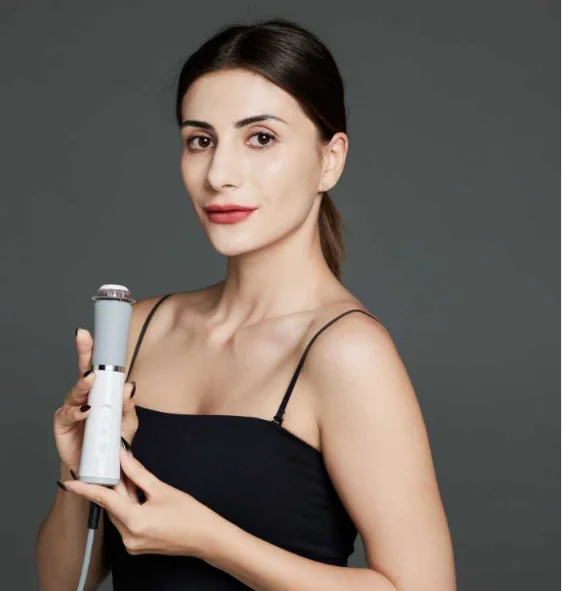
The uCosmoX™ handpiece breaks active ingredients into tiny submicron bits. They pass the stratum corneum barrier easily. Then they hit the basal layer in various face areas. This delivers hyaluronic acid, peptides, and vitamins straight to key spots. It brings back lost fullness and smooths texture.
A smart built-in thruster keeps product flow steady and even. You get smoother, fuller skin with fresh bounce.
Step 3 – Boost Oxygen & Circulation for Glow
After fixing hydration, poor blood flow can still make your face look worn out. Oxygen facials kickstart blood movement and cell energy. This boosts nutrient reach and wakes up tired skin.
OxyGemeo™ Technology uses a Capsugem™ handpiece. It makes tons of CO2 bubbles. These go deep into the skin. They spark the Bohr Effect. This ups oxygen in the blood and starts cell repair. The step revives flat looks from slow seasons or late nights.
Who Needs a Winter Hydration Facial Most?
Identifying High-Risk Groups for Seasonal Dehydration
Some folks face more winter dehydration than others. These groups include:
-
Office workers exposed to heated indoor air for extended hours
-
Patients recovering from laser or peel procedures
-
People with sensitive skin struggling to tolerate traditional products
-
Frequent makeup users experiencing flaking or patchy foundation
For them, a pro hydration facial gives real help. It brings clear changes you can see.
How Often Should You Treat Winter Dry Skin?
Establishing an Effective Seasonal Care Routine
To keep results strong in cold times, plan hydration treatments often. Experts suggest every 2–4 weeks, based on your situation.
Steady care builds up the skin barrier. It stops moisture from piling up lost. And it keeps shine going long-term, not just quick patches. Picture it as stocking a water reserve that holds your skin steady between visits.
Professional Equipment Behind Effective Winter Skincare Treatments
How Advanced Technology Enhances Results Without Irritation
Devices from Anchorfree deliver active ingredients just right. They avoid harm to touchy winter skin. Anchorfree’s hydro dermabrasion systems mix soft exfoliation with deep hydration in one go. This combo boosts absorption without upset. It’s vital for fixing weak winter skin barriers.
The setup’s handpieces work together. Aqua handles cleansing. uCosmoX manages infusion. Capsugem™ takes on oxygenation. They refresh from top to bottom layer.
Supporting Clinics With Reliable Performance and Innovation
Anchorfree focuses on research. This makes sure devices hit safety and work standards in clinics. Their tools get used in top skincare spots and medical spas. They aim for steady results with little wait time.
Plus, adding oxygen therapy parts amps up the afterglow. It aids healing in tough weather.
FAQs
Q: What is hydro dermabrasion and how is it different from microdermabrasion?
Hydro dermabrasion uses water-based exfoliation combined with vacuum extraction for a gentler cleanse compared to crystal-based microdermabrasion—ideal for sensitive winter skin.
Q: Can moisturizing creams alone fix winter dryness?
No. Moisturizers seal in existing moisture but don’t replenish lost hydration in deeper layers, especially when TEWL is high.
Q: How often should I get a professional hydration facial in winter?
Every 2–4 weeks is recommended during colder months to maintain healthy hydration levels and prevent cumulative dryness.
Q: Who benefits most from winter hydration facials?
People with dry, sensitive, or post-procedural skin; office workers exposed to heating; and makeup users with flaking issues benefit greatly.
Q: What technologies are used in advanced winter skincare treatments?
Systems like SynergyX utilize Aqua Technology for cleansing, uCosmoX™ for deep infusion, and OxyGemeo™ for oxygenation—all delivering optimal results without irritation.