

Vacuum Cavitation vs CoolSculpting: Which Non Invasive Procedure Works Best
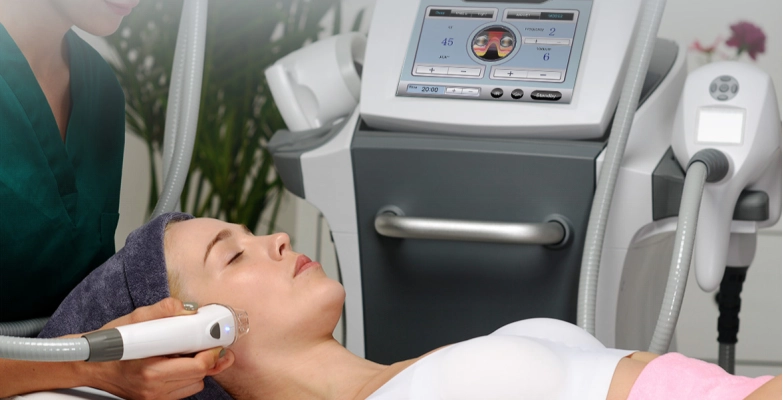
When picking between CoolSculpting and vacuum cavitation, the best choice hinges on your body makeup, what you aim to achieve, and how fast you want changes. If you want a sharp fat freezing method for tough spots with results that stick around longer, CoolSculpting might give better accuracy.
Yet, if you seek a comfy, non surgical way that also boosts fluid drainage and tightens skin with no recovery needed, vacuum cavitation—particularly in setups like the V8-PMP—offers flexible and quick shaping.
Comparing Mechanisms of Action
How CoolSculpting Targets Fat Cells
CoolSculpting works through cryolipolysis. This is a careful cooling method that hits fat cells under the skin. Fat freezes at a warmer point than other parts, so it crystallizes on its own. This spares nearby tissues. The iced fat cells slowly die off. Then, the body clears them via natural cleanup. Each visit uses an outer cooling pad for 35 to 60 minutes.
How Vacuum Cavitation Breaks Down Fat
Vacuum cavitation employs low pitched sound waves to make tiny bubbles in fat layers. These bubbles burst fat cell walls. They turn the insides to liquid. The body flushes out this melted fat via the lymph paths. Plus, it aids detox by stirring lymph and blood flow.
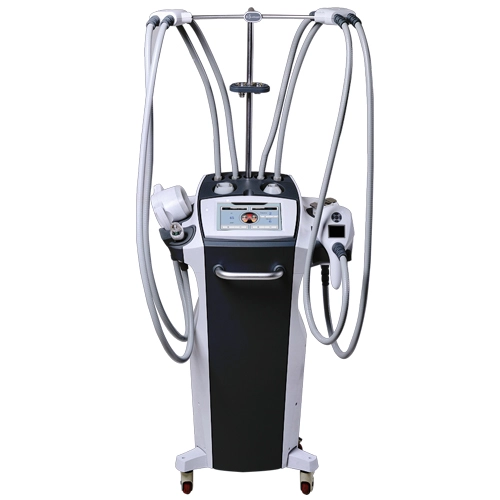
It also clears stuck fluids. In top tools like the V8-PMP from Anchorfree, sharp cavitation pairs with radio waves for stronger effects. The sharp cavitation and sharp bipolar RF output happen at the same time.
Treatment Experience and Comfort Level
What Patients Can Expect During a CoolSculpting Session
People often feel a sharp chill for a few minutes when it starts. Then, the spot goes numb. Some sense a pull or pinch as the tool draws in the skin. After, you might have brief red marks or aches. Still, no healing period is needed.
What a Vacuum Cavitation Procedure Feels Like
Vacuum cavitation stays mostly painless. It skips any numbing shots. Folks describe a mild heat and light buzz while it runs. The mix of suction with steady and burst modes helps avoid bruises on the spot.
No downtime follows. Visits last 30 to 45 minutes per spot.
Areas of Application and Versatility
Body Zones Commonly Treated with CoolSculpting
CoolSculpting got FDA okay for several spots: belly, side bulges (flanks), inside and outside thighs, upper arms, under chin area, and back rolls. It fits well for those with clear fat lumps.
Target Areas for Vacuum Cavitation Treatments
Vacuum cavitation adapts easily. It handles waist, thighs, hips, upper arms, and lower belly. This acts as a fat melter. It cuts down the look of fat on your tummy and hip gaps. Tools like Anchorfree’s V8-PMP boost options with various tips for key zones. Handpiece No.1 works for belly, waist, back, thigh, and buttock.
Expected Results and Timeline for Improvement
Timeframe for Visible Results After CoolSculpting
Changes show up about three weeks after. That’s when the body starts breaking down dead fat cells. The best gains come in two to three months. Based on what you want, you might need over one visit per spot.
Speed of Results Following Vacuum Cavitation Sessions
People spot shifts after a handful of visits. But fat removal depends on the lymph system. So, drinking plenty and staying active really shapes the end. Plan for at least 6 to 10 sessions first. That way, the belly fat fix can truly kick in.
Safety Profile and Side Effects Comparison
Potential Risks Associated with CoolSculpting
Though it’s non surgical, CoolSculpting brings short term issues like red skin, bruises, numbness, or tingles. A uncommon worry is paradoxical adipose hyperplasia (PAH). Here, the fat toughens and grows bigger instead of shrinking.
Side Effects Linked to Vacuum Cavitation Procedures
Vacuum cavitation counts as safe under pro hands. A light red flush or warmth that fades fast is the usual gripe. With no chill or deep poking, problems stay few.
Suitability Based on Body Type and Goals
Ideal Candidates for CoolSculpting Procedures
CoolSculpting fits folks near their goal weight. They battle spot fat that ignores food cuts or workouts. It won’t fix heavy weight or loose skin.
Who Benefits Most from Vacuum Cavitation Treatments?
Cavitation suits those after slow body shaping with no breaks. People wanting steady shape gains without pauses like its soft touch on fat and skin tone.
Integration into Broader Aesthetic Treatment Plans
Combining Fat Reduction with Skin Tightening Technologies
The top plans mix cavitation with extras like EMS or RF skin pulls. EMS tech wakes nerves to make muscles flex and relax non stop. From this hard workout, muscles reshape deep down. And fat burning starts. All in one tools like Anchorfree’s V8-PMP let pros give teamed up perks in one go.
Role of Professional Equipment in Treatment Efficacy
Gear quality shapes the wins big time. Spots with modern setups get steadier payoffs. Anchorfree blends radio waves, warm light, suction pull, EMS, rolling pads, and auto clean into one unit. This makes sessions easier and surer.
Factors Influencing Treatment Choice
Comparing Cost Efficiency Over Multiple Sessions
CoolSculpting runs pricier per visit upfront. Vacuum cavitation tools work at home or clinic over many rounds. That often saves cash over time.
| Treatment | Cost Per Session | Sessions Required | Total Estimated Cost |
| CoolSculpting | $600–$1,500 | 1–3+ | $1,800–$4,500 |
| Cavitation | $60–$120 | 6–10+ | $360–$1,200 |
Lifestyle Considerations Affecting Procedure Selection
Folks after quick wins with few trips might pick CoolSculpting. Even with its slow start. Cavitation fits those who like step by step shifts with clear steps. Spots with Anchorfree gear can give custom plans to match busy lives.
Clinical Expertise and Equipment Quality
Importance of Skilled Practitioners in Non Invasive Procedures
Training and know how matter a lot. This goes for placing pads in CoolSculpting or setting power in cavitation machines. Pro skills boost safety and wins.
How Equipment Design Impacts Patient Outcomes
From easy grip shapes to steady power flow, build counts. Comfy tips cover more ground and ease use. Even energy spread gives fair results each time.
FAQ
Q1: Which lasts longer—CoolSculpting or cavitation?
CoolSculpting usually gives sticking results. That’s due to cryolipolysis killing fat cells for good.
Q2: Can I combine both treatments?
Yes, some spots mix CoolSculpting with cavitation or RF pulls to boost gains.
Q3: Is vacuum cavitation safe for everyone?
Most fit people can try cavitation. But if you got metal parts or fresh cuts, check with your doc.
Q4: How soon will I see results from cavitation?
You might notice after 3–4 visits. Full changes often need 6–10.
Q5: Are home cavitation machines effective?
Home units can bring small gains. But they miss the strength and aim of pro ones like Anchorfree’s.