

RF vs HIFU: Best Non-Surgical Lift for Sagging Skin in 2026
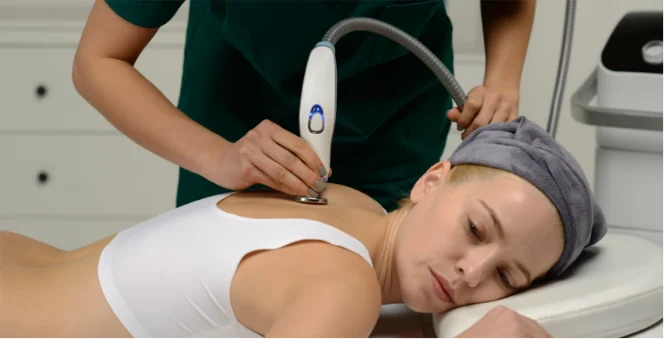
If you’re looking for a non-surgical lift for sagging skin in 2026, both Radiofrequency and High Intensity Focused Ultrasound offer effective solutions.
However, they differ in technology, depth of action, and suitability for different skin types and conditions. Choosing the right approach depends on your goals, skin profile, and desired results.
How RF Lifting Works for Facial Rejuvenation Treatment
Mechanism of RF Energy on Skin Tissues
RF (Radiofrequency) lifting works by sending controlled electromagnetic energy into the dermis. It gently warms the tissue there. This helps boost collagen production. The warming does not hurt the epidermis. But it aims at deeper layers for tightening results.
Radio frequency devices use safe amounts of low-frequency electromagnetic waves to create heat. This heat goes deep into your skin’s layers. There, it encourages new skin cell growth (regeneration). As a result, collagen fibers get tighter. Plus, fibroblasts start making new collagen and elastin over time.
Benefits of RF Lifting for Skin Rejuvenation
RF lifting is a common pick for folks wanting gentle, steady improvements without big changes or recovery time. It provides:
-
Clear boosts in skin firmness and feel after a few sessions.
-
Little unease during the process, often felt as a cozy warmth.
-
Works well with many skin colors and light to medium looseness issues.
Radio frequency skin tightening is a non-surgical way to firm loose skin. The process can help you look younger.
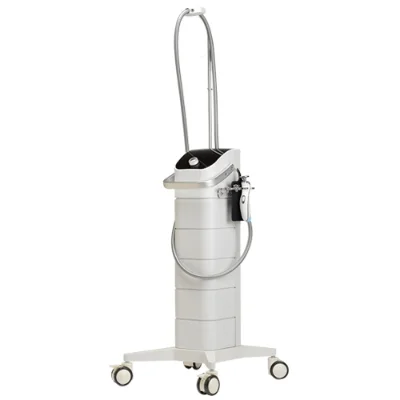
One of the biggest limitations of traditional RF treatments is depth mismatch. Skin laxity does not occur at a single layer — the epidermis, dermis, and subcutaneous tissue age differently. Anchorfree’s Lipo-IE uses triple frequency RF to deliver energy across multiple tissue depths in one session.
How HIFU Facial Targets Deep Skin Layers
Focused Ultrasound Technology in HIFU
HIFU (High-Intensity Focused Ultrasound) uses targeted sound energy sent to exact spots below the skin. Unlike RF, it goes down to the SMAS (Superficial Musculoaponeurotic System) layer — the same spot surgeons hit in facelifts. It focuses on the spots that need it most. It can reach deeper layers or even the second muscle layers under facial muscles. The heat from ultrasound energy sparks new collagen growth. It does this by making small, controlled damage zones deep in the tissue.
Key Advantages of HIFU for Facial Rejuvenation Treatment
HIFU gives solid lifting results with little invasion:
-
Goes deeper for stronger lifts and shaping, especially around jowls and under the chin.
-
Needs fewer visits than RF.
-
Great for people with bad sagging signs who are not set for surgery yet.
Ultrasound energy creates a heating effect. That kicks off the skin’s healing process. It boosts the making of new and fresh collagen.
RF and HIFU: Technical and Functional Differences
| Feature | RF Lifting | HIFU Facial |
| Energy Type |
Radiofrequency (electric heat) |
Focused Ultrasound (mechanical waves) |
| Penetration Depth | Superficial–Mid Dermis | Deep Dermis–SMAS |
| Session Frequency | Multiple sessions | 1–2 sessions |
| Comfort Level |
High (warming sensation) |
Moderate–Low (may feel sharp pulses) |
| Downtime | Minimal | Minimal–Moderate |
| Best For | Mild–Moderate Laxity | Moderate–Severe Laxity |
Comfort Level During Procedure
The treated spot might feel warm. You could sense buzzing tingles or slight unease. In general, RF feels nicer for patients because of its soft heat. HIFU might bring stronger feelings since it goes to deeper spots.
Number of Sessions Required for Visible Results
RF usually needs a bunch of treatments spread over weeks or months. HIFU, though, can show clear lifts after one go. And the effects keep getting better as time passes.
Timeline for Results to Appear and Duration of Effects
You ought to notice shifts in skin color and look within two to six months. RF changes come slowly. But HIFU often brings quicker lift effects. Those last longer because it works on deeper parts.
Suitability Based on Skin Type and Aging Concerns
RF fits people with first signs of getting older or touchy skin. It works extra well near soft spots like eyes or neck. HIFU suits those with big looseness or shape sagging better. They want clear lifts without cutting.
Choosing the Right Skin Laxity Treatment in 2026
When RF Lifting Is More Appropriate
RF lifting works best for:
-
Patients who want soft freshening with tiny discomfort.
-
Younger folks or those with early looseness.
-
Spots like jawline, neck, or under-eye areas.
Folks who skip the high cost, ache, or healing time of beauty surgeries might pick radio frequency skin tightening.
When HIFU Facial Offers Better Outcomes
Pick HIFU if:
-
You deal with deep lines or heavy sagging.
-
You seek lasting lifts without cuts.
-
You like fewer trips to the clinic.
Ultrasound treatments like Ultherapy can firm skin on the neck, chin, and brow. They also smooth lines on the upper chest.
Safety Profiles, Side Effects, and Post-Treatment Care Considerations
Common Side Effects Associated with Each Treatment Type
-
RF: Slight redness or warmth after, gone in a few hours.
-
HIFU: Short swelling, bruising, or tingling based on how strong the treatment is.
You might get some light redness and puffiness (edema) after the process.
Post-Treatment Care Guidelines
After either treatment:
-
Stay out of direct sun and hard exercise for at least 24 hours.
-
Use moisturizing skin products that help fix the barrier.
You may also like knowing the process is safe and comfy. Patients say it feels like a hot-stone massage.
Contraindications That May Affect Treatment Eligibility
-
Skip RF if you have metal implants or pacemakers.
-
Both treatments are not good during active infections or acne breakouts.
Summary Comparison: Key Features of RF vs HIFU at a Glance
Planning Your Aesthetic Journey with Confidence in 2026
As more people want custom facial freshening, clinics choose setups like Anchorfree for ease and sure results. Clinics gain from easy training help and tool updates that match what patients expect now.
Getting Expert Guidance
Always talk to a trained expert before any treatment. Pros with Anchorfree systems can check your details and fit plans just right. Their gear lets them tweak steps based on age group, background, and body differences—boosting joy for patients from all walks.
FAQs
Q: Is RF or HIFU better for jawline tightening?
HIFU goes deeper and might give more shaped results for medium sagging along the jawline.
Q: Can I combine RF and HIFU in my treatment plan?
Yes, some clinics use dual-way devices that safely mix both energies for better team-up effects.
Q: How long do results from HIFU last?
Usually 12–18 months based on age and habits.
Q: Is there any pain involved during these treatments?
RF is mostly comfy; HIFU might have light ache during zaps but it’s bearable.
Q: Who should avoid RF or HIFU treatments?
Folks with pacemakers (for RF) or active infections should check with their doc first.