

Radio Frequency vs. Ultrasound Skin Tightening: Understanding the Difference and What to Expect
Introduction
In the fast-changing field of non-surgical face refreshment, need keeps growing for options that give real gains in skin color, strength, and rise — yet without cuts or long rest periods. Two of the most common methods are radio frequency (RF) skin tightening and ultrasound (micro-focused) lifting. Though both are gentle and useful, they handle separate issues and go to different levels. Grasping this gap can aid clinics, medspas, and aesthetic device buyers pick smartly — mainly when checking tools from reliable manufacturers and suppliers.

How Radio Frequency Skin Tightening Works
Radio frequency skin tightening uses managed warm power to warm the lower skin parts—the dermis and sub-dermal linking tissues. When warmth is added carefully with RF electrodes (whether monopolar, bipolar, or multipolar), collagen strands shrink right away. Even better, the heat spark starts a lasting wound-healing reply, pushing fresh collagen and elastin growth.
As time passes, this reshaping leads to stronger, softer, and more stretchy skin. Unlike harsher steps, RF usually saves the epidermis by sending heat to an exact depth, cutting the chance of top harm. As the skin rebuilds, looseness drops and a soft, real “lift” can show up.
How Ultrasound (Micro-Focused) Skin Tightening Works
Ultrasound-based tightening, often called micro-focused ultrasound (or HIFU), goes deeper than RF. It can get to the SMAS layer — the same part aimed at in surgical facelifts. The tool focuses power to make tiny warm clotting spots in deep tissue, which then start collagen renewal and tissue shrinking.
This allows ultrasound tightening to cause a basic lift, remolding the deeper base of the face. While RF suits improving top feel and strength, ultrasound fits better when the aim is to fix or move deeper face structure.
Ideal Candidates: RF vs. Ultrasound
Radio Frequency Skin Tightening
-
Patients in their 30s to early 50s who show mild to moderate skin looseness (e.g., drooping cheeks, soft jawline, neck folds).
-
Those who wish to delay or skip surgery but still get gains in skin color and feel.
-
Clients who like little rest time, lower risk, and steady skin “refresh” instead of big lift.
Ultrasound Skin Tightening
-
Patients with deeper tissue droop, mainly in the lower face and neck.
-
Those wanting a more solid lift without turning to surgical facelifts.
-
People aimed at rebuilding the deeper face base, not just top tightening.
In many clinic settings, these tools are mixed or switched as part of a custom long-term refresh plan: RF for steady skin care, and ultrasound for bigger lift when required.
What to Expect During and After Treatment: RF
Radio frequency treatments feel mostly easy, gentle, and let quick return to daily tasks. The feeling is often seen as warm and calming — no numbing, no needles, and no major rest time.
Typical RF treatment timeline:
-
Immediately After: Clients might spot a soft shine, light tightening, or mild puff — these signs usually go fast.
-
1–2 Weeks: Collagen spark starts; the skin may seem stronger, though clear shifts stay small.
-
4–6 Weeks: The skin starts to display clearer gains — tighter feel, softer lines, and better spring as collagen and elastin rebuild.
-
8–12 Weeks: Top results often arrive, with better shape, stretch, and top look.
For best outcomes, many experts suggest a set of 3–6 sessions, spaced about 3–4 weeks apart. Care sessions every 6–12 months help keep collagen growth and extend results over time.
What to Expect During and After Treatment: Ultrasound
Ultrasound sessions might bring a bit more unease (based on tool settings and patient comfort), since they target deeper parts. Yet, rest time stays small. Redness or puff may happen but usually clears soon.
The clear gains grow slowly: early strength may be felt, but the full lift effect — led by deep tissue remold — usually opens over 3 to 6 months. Many patients need just one session, though some clinics give touch-up treatments based on personal shape and wanted result.
Choosing the Right Approach for Your Clinic or Medspa
When deciding whether to provide RF, ultrasound, or a mixed blend, clinics and aesthetic business owners should think hard about these points:
-
Depth of Looseness: Is the skin sag on the top, or does the patient need basic support?
-
Wanted Result: Is the aim skin feel and color, or do clients want true lifting?
-
Rest Tolerance: Both choices have low recovery, but RF is often softer.
-
Treatment Count and Cost: RF may need more visits; ultrasound often fewer—but the tool may cost more.
-
Practice Style & Income Plan: A multi-way plan (RF first, ultrasound later) can boost tool use and client joy.
Another vital part: picking the right equipment supplier. For clinics hoping to create a lasting, strong skin-tightening service, teaming with a manufacturer that gives choices, multi-tech platforms, and steady help is crucial.
Why Multi-Modal Platforms Matter in Modern Practice
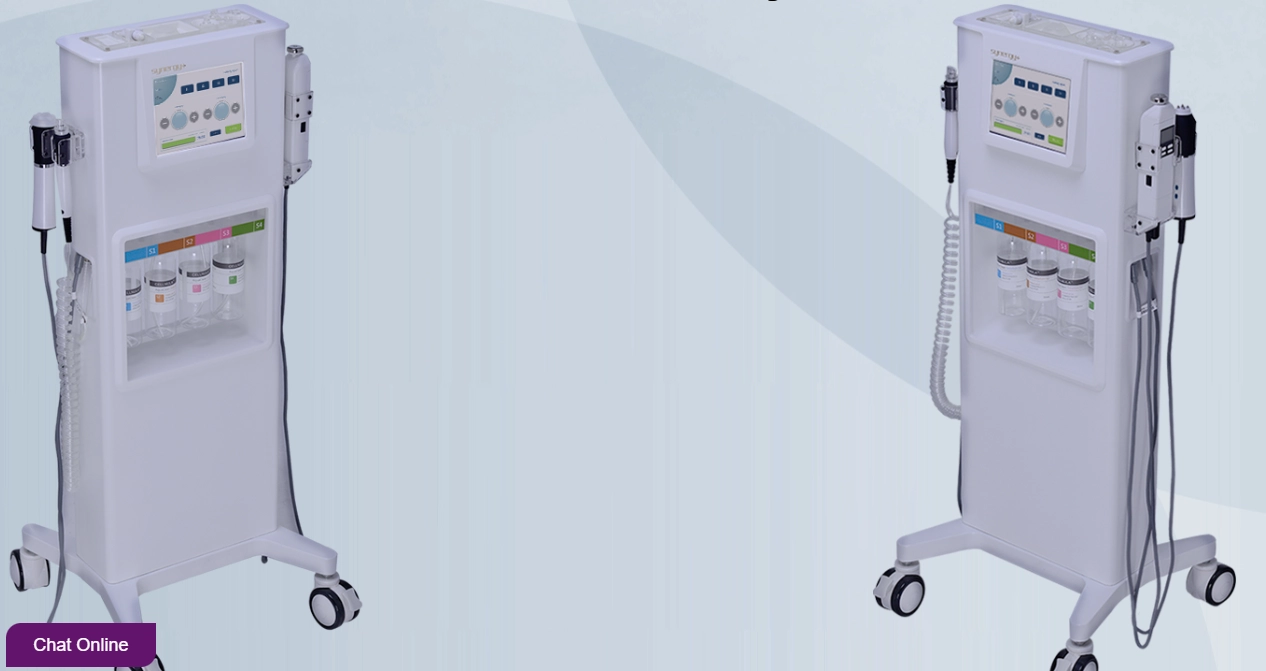
Giving several methods from one tool space can greatly boost business flow and patient stay. A platform that joins tech like RF, ultrasound, infusion, and vacuum lets clinics handle a wider range of skin issues — from looseness and lines to color spots and moisture — all in one unit.
One example is Anchorfree’s Synergy+ Skin Management Platform, which nicely blends four main techs under a single frame: Aqua cleansing, OxyGemeo infusion, QuaPollar RF, and uCosmo ultrasound. This type of system allows aesthetic practices to fit treatments, sell packages, and attract more clients, without needing many large tools.
Frequently Asked Questions (FAQ)
Q1: How many RF sessions are typically required to see visible results? A1: Clinics often suggest 3 to 6 RF sessions spaced about 3 to 4 weeks apart. Some visible gain may start in 4–6 weeks, with top results around 8–12 weeks.
Q2: Is ultrasound tightening a one-time treatment? A2: Many patients see big change after a single ultrasound session. However, touch-ups or care treatments may be given based on skin looseness and the tool used.
Q3: Which technique is safer for patients with sensitive skin? A3: Both RF and micro-focused ultrasound are usually safe when done by trained experts. RF tends to be softer on the skin top, while ultrasound goes deeper. Tool choice, settings, and cooling parts all affect comfort and risk.
Q4: Can a clinic use RF and ultrasound together? A4: Yes — many medspas use a mixed plan: begin with RF for skin care and upkeep, then add ultrasound for deeper lift when needed. This multi-way method can boost patient joy and tool use.
Q5: What should buyers look for when selecting a skin-tightening device from a manufacturer? A5: Key points include rule approvals (e.g., CE, FDA), multi-tech skills, easy-hold handpieces, steady after-sales help, training, and updates. A vendor like Anchorfree — with strong R&D, patents, and world reach — is very helpful.
Partner with Anchorfree as Your Trusted Manufacturer & Supplier
Title: Elevate Your Aesthetic Business — Partner with Anchorfree, a Leading Manufacturer & Supplier
Anchorfree gives steady, high-work skin-tightening and refresh platforms for medspas, clinics, and distributors. With many years of skill since 2003, world sales, and a wide set of patented techs, Anchorfree is well placed to aid business growth.
-
Use the Synergy+ Skin Management Platform to give RF, ultrasound, infusion, and deep-cleansing treatments — all from a single system.
-
Gain from Anchorfree’s strong R&D, world approvals, and product newness.
-
Get world help, training, OEM/ODM choices, and service from a trusted, set partner.
Ask for a quote, product show, or partnership today by reaching Anchorfree via their website or sales team. Add top-edge, multi-way non-surgical skin-tightening answers into clinics — backed by a manufacturer who knows both tech and business.