

Laser Hair Removal for Dark Skin: Safer 4-Wavelength Diode Guide
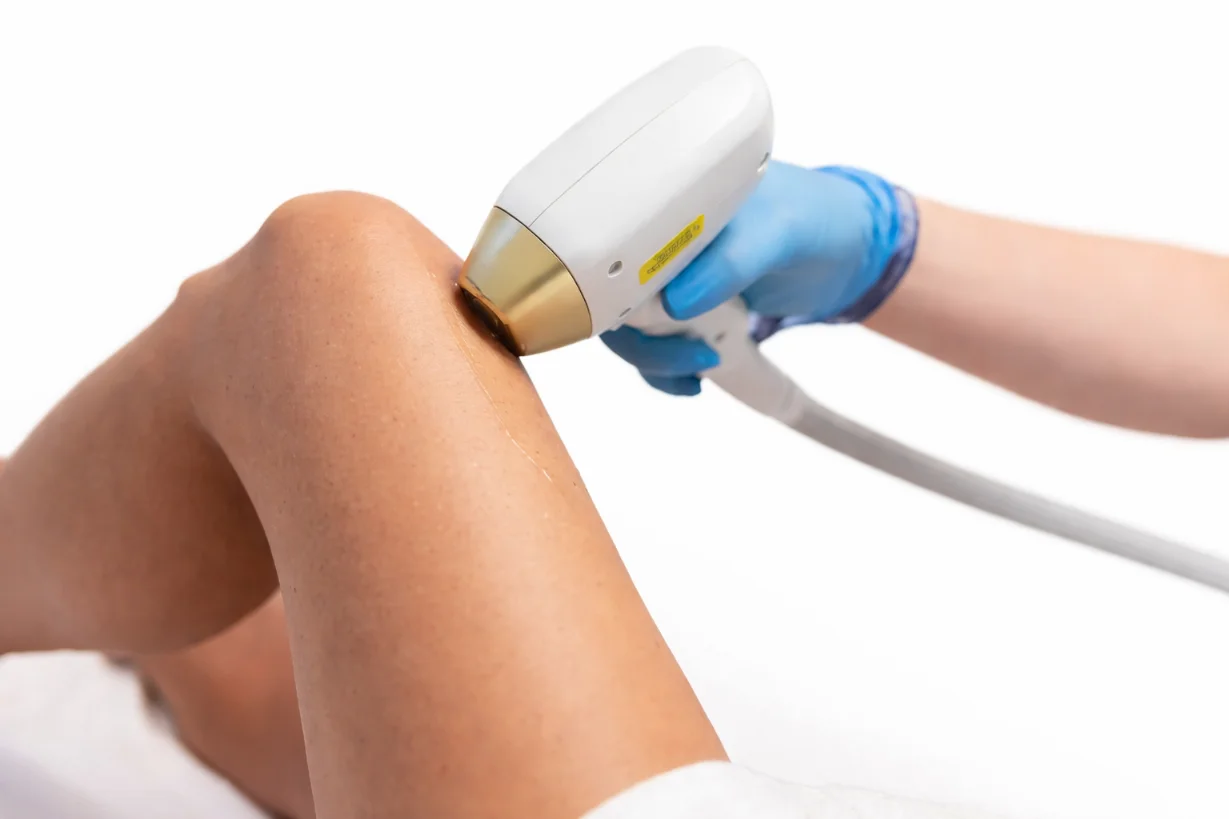
Laser hair removal for dark skin has come a long way. Once a tricky option, it’s now more accessible thanks to tech advances. But safety still tops the list for anyone with deeper tones.
Why Dark Skin Needs Special Care With Laser Hair Removal
Darker skin tones face unique challenges in laser hair removal. Is laser hair removal safe for dark skin? It can be, but not all setups handle it well. Dark skin laser hair risks often stem from how lasers interact with melanin.
The history of exclusion: why darker skin tones were left out
Back in the day, early lasers worked best on light skin with dark hair. They couldn’t safely treat darker skin without causing burns or pigmentation issues.
The science behind risk: melanin, heat, and hyperpigmentation
Melanin in dark skin absorbs more laser energy. That turns into heat fast, which can damage the skin surface before hitting the hair follicle. Risks like burns or uneven skin tone pop up more often. Heat builds up where you least want it.
Fitzpatrick skin types IV–VI and what they mean
Fitzpatrick skin types IV–VI cover olive to deep brown and black skin. These types hold more melanin. For laser hair removal risks for dark skin, that means needing equipment with a wider safety margin. Devices must target hair without overheating the epidermis.
How Laser Hair Removal Works—and Where Things Go Wrong on Dark Skin
How laser hair removal works boils down to light energy zapping hair roots. But on dark skin, things can go sideways if the tech isn’t right. Safe laser hair removal for dark skin demands precision.
From light to heat to damaged follicles
Lasers shoot light at hair follicles. The pigment absorbs it, heats up, and damages the root so hair stops growing. Quick and targeted, when it works.
Why “contrast” matters: dark hair on dark skin vs dark hair on light skin
On light skin, dark hair stands out, making it easy for lasers to hit the mark. Dark hair on dark skin? Less contrast. The laser might grab skin pigment too, leading to trouble. It’s like trying to spot a black cat in a dark room—tricky without the right tools.
Common complications on dark skin with the wrong laser
Pick the wrong laser, and you risk burns, blisters, or hyperpigmentation. Scarring can happen too. Laser hair removal risks for dark skin include post-inflammatory hyperpigmentation, where skin darkens after treatment. Not fun, and it lingers.
Comparing Laser Technologies: Which Are Actually Safe for Dark Skin?
Finding the best laser for dark skin means sorting through options. Laser hair removal for dark skin has evolved, with diode laser hair removal for dark skin gaining ground.
IPL vs Alexandrite vs Nd:YAG vs Diode: a simple breakdown
Here’s a quick comparison:
-
IPL: Broad spectrum light, highest risk for IV–VI types due to scattered energy.
-
755nm Alexandrite: Great for light skin, but ramps up burns on darker tones.
-
Nd:YAG 1064nm: Safer for deep skin, penetrates without much surface absorption.
-
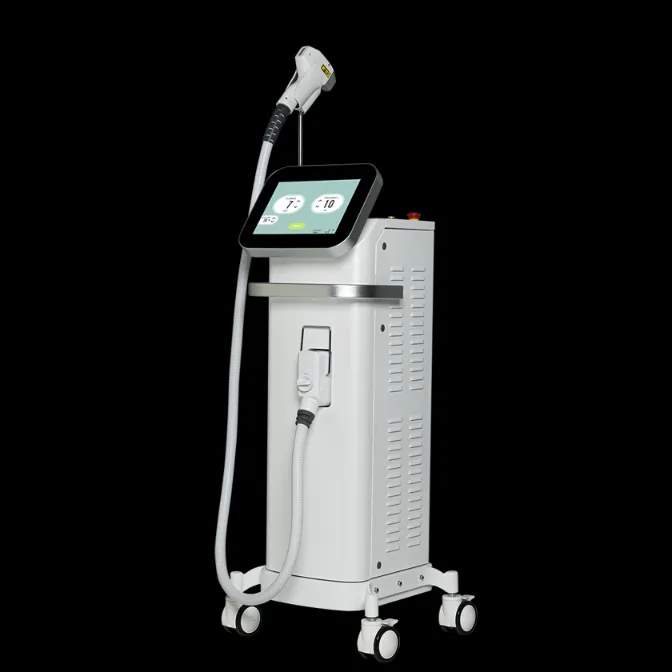
Diode Lasers: Focused wavelengths, high energy, allow fine-tuned control.
Each has its place, but not all suit everyone.
Why Nd:YAG 1064 nm became the “gold standard” for dark skin
Longer wavelengths like 1064nm dive deeper. They skip most epidermal melanin, hitting follicles safely. That’s why it’s a go-to for avoiding dark skin issues. Less heat on top, more action below.
The limits of single-wavelength solutions
Single 1064nm is safe, sure. But it might fall short on lighter or finer hairs. Body areas vary—some need different wavelengths for best results. Many modern systems, including 4-wavelength diode platforms from manufacturers such as Anchofree, build on this foundation by combining multiple wavelengths in a single device.
What Makes 4-Wavelength Diode Lasers Different?
4-wavelength diode laser stands out for versatility. Diode laser hair removal tackles various needs, especially diode laser hair removal for dark skin. Best laser for dark skin often points here.
Four wavelengths, multiple targets: covering different depths and hair types
Shorter wavelengths handle fine or light hairs near the surface. Medium ones target most terminal hairs. Then 1064nm reaches deep follicles on high-melanin skin. Mix them, and you cover all bases.
Sharing the workload: lower energy per wavelength, higher overall safety
With multiple wavelengths, each does less heavy lifting. Lower fluence per wave means less epidermal stress. Perfect for IV–VI skin. Safer sessions overall.
Advanced cooling: the unsung hero of painless, safe treatments
Contact cooling or sapphire windows keep skin chill during zaps. That protects the surface, making painless laser hair removal a reality. Advanced skin cooling is key for diode laser hair removal for dark skin. For example, 4-wavelength diode platforms from Anchofree are engineered with both multi-wavelength output and contact cooling, so clinics can tailor settings for darker skin while keeping the epidermis comfortably cool.
How Darker-Skinned Patients Can Choose the Right Laser
Questions to ask during your consultation
Start with: What laser do you use for Fitzpatrick IV–VI? Does your device include a 1064 nm wavelength or multi-wavelength diode option? Get answers upfront.
What to look for in a device and clinic
Go for machines with multi-waves, strong cooling, large spots, high power. Clinics should offer patch tests and show before-after pics. Experience counts.
Pre-treatment habits that protect darker skin
What to do before laser hair removal? Skip sun exposure weeks before. Avoid sensitizing products. Shave, don’t wax. These steps amp up safe laser hair removal for dark skin.
Realistic Results: What Darker Skin Can Expect From 4-Wavelength Diode Laser Hair Removal
Laser hair removal results dark skin can be impressive. How many sessions for dark skin? It varies. Diode laser hair removal results shine with consistency.
How many sessions does darker skin typically need?
Usually 6–8 sessions. Depends on area and hair coarseness. Thicker hair might need fewer; finer spots more.
What “safer and more effective” really looks like
Fewer burns or pigmentation shifts. Even hair reduction, less ingrowns. Smoother skin over time. That’s the payoff.
Areas that benefit most: face, bikini, underarms, and beyond
High-risk zones like bikini lines, underarms, or jaw areas respond well. Deeper tones see reduced irritation. Legs and arms too—versatile for all over.
Dark Skin Deserves Better Technology, Not More Risk
Laser hair removal for dark skin is viable today. Safe laser hair removal for dark skin hinges on modern gear. 4-wavelength diode lasers plus advanced cooling give IV–VI types a bigger safety net and solid outcomes.
Ask about devices and settings in consults, not just costs. As multi-wavelength diode platforms from manufacturers like Anchofree become more widely available, darker skin tones no longer have to choose between safety and results.
FAQ
Q: Can dark skin get laser hair removal on the face?
Yes. Areas like the chin, jawline, and neck can be treated safely with the correct wavelength and cooling.
Q: How many sessions does dark skin typically need?
Darker skin may require slightly longer intervals to protect the epidermis and ensure safe hair-reduction progress.
Q: Is painless laser hair removal possible for dark skin?
Largely yes. Advanced contact cooling and multi-wavelength diode energy delivery reduce surface heat, making treatments noticeably more comfortable.
Q: What should dark-skinned patients avoid before treatment?
Avoid sun exposure, self-tanners, waxing, and photosensitizing skincare (like retinoids and AHAs) for 1–2 weeks before treatment.