

Is Painless Laser Hair Removal Actually Painless?
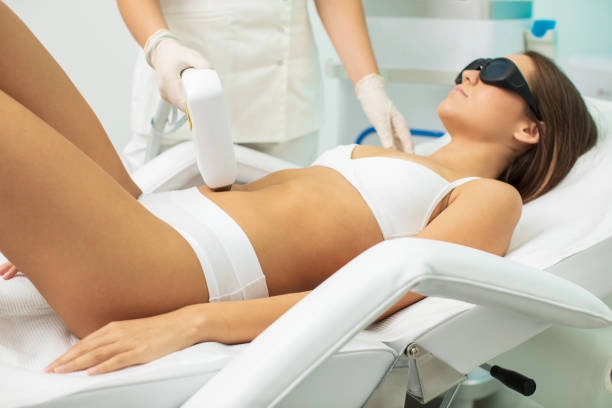
Is painless laser hair removal truly painless? While new developments in laser tools have greatly cut down on unease during sessions, the feeling can still differ based on a few things. From the kind of gear used to a person’s pain limit, lots of factors shape how “painless” a visit seems. For folks wanting little unease, fresh options are coming very near — mainly when mixed with top-quality tools and skilled help.
Factors That Influence Pain Levels During Laser Hair Removal
The Role of Laser Technology in Sensation Management
The amount of unease in a laser hair removal session mostly hinges on the tech applied. Various wavelengths and pulse times right away change how skin senses heat. For example, quick pulses might feel more like a quick sting. Longer ones could seem like a slow warmth instead.
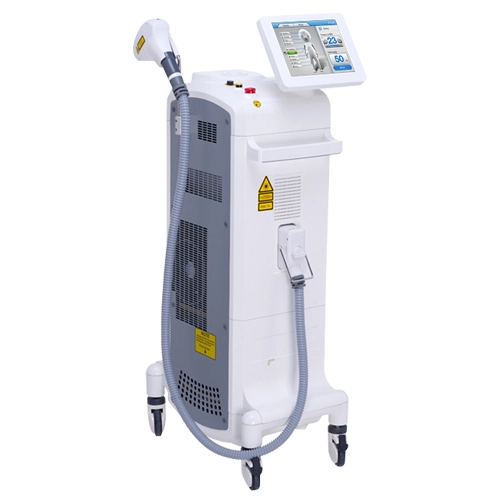
New diode lasers, such as the L300EU from Anchorfree mix four wavelengths — 755nm, 808nm, 940nm, and 1064nm — to match deep reach with care. This cuts down on sudden jolts in feeling. Plus, the device has a compressor cooling and semiconductor cooling system. It keeps tip temps lower than similar tools. That boosts patient ease a lot.
Movement-style delivery setups, like in the L808MED model, add to a better session feel. These setups give high repeat rates. They also provide steady energy flow with little change in sensation.
How Treatment Areas Affect Discomfort
Some spots are just more touchy because of nerve crowds and skin depth. Clients often note more unease in places like:
-
Upper lip
-
Bikini line
-
Underarms
On the other hand, big areas like the back or legs spread energy over a wider spot. That usually leads to softer feelings. How often you go matters too. Extra sessions in touchy zones might build up soreness. Or, it could oddly numb the spot as time goes on.
Skin Tone and Hair Type as Key Variables
Melanin is the chief goal for laser hair removal machines. Darker strands take in more energy. This boosts results but can heighten heat sense. The 808nm wavelength goes deep into skin and gets soaked up by the target part. So, it’s great for thick or dark hair.
But, deeper skin shades need careful tweaks to skip overheating nearby parts. Tools like the L300EU fix this with changeable options that fit varied skin shades safely.
Techniques Used to Minimize Pain During Treatment
A few methods help lower unease:
-
Putting on numbing creams before the session
-
Cooling tech like cold sapphire ends or extra-chilled handles
-
Slow energy build-up that lets clients get used to the laser beat over time
For instance, the DepiLight system chills the treatment end to -10°C. This can hugely boost session ease. And it lets more energy flow without hurt.
Advances That Bring Us Closer to Truly Painless Hair Removal
The Impact of Next-Generation Devices on Comfort Levels
New ideas have made a clear change in client feelings. Tools like the L300EU blend high strength (up to 1200W) with smart cooling parts for better ease in sessions. These machines often handle many wavelengths. They also give steady energy flow.
At the same time, setups like the L808MED use FHR mode (On-Motion) for even cover with little hurt sense. These aren’t mere tech boosts — they really shift how bearable sessions are.
Operator Expertise and Its Effect on Patient Experience
Even the top painless hair removal machine needs good hands. Experts know how to:
-
Tweak energy levels and pulse times based on input
-
Make sure of right touch and move skills
-
Set dials for different skin kinds and hair amounts
Anchorfree‘s latest equipment provides personalized treatment plans and reliable technological support, enabling clinics to achieve higher customer satisfaction.
Comparing Professional Treatments with At-home Devices
Differences in Energy Output and Sensory Feedback
Home laser tools often push “painless” outcomes. But that’s partly from their weak power. While that might seem good, low strength also brings:
-
Weaker lasting results
-
Need for more visits
-
Limited fit for thick or dark strands
By contrast, pro machines give more custom options for personal wants than home ones.
Safety Features and Comfort Enhancements in Clinical Settings
Clinic spots have a clear plus: built-in safety rules. Med-grade tools include live watch systems that adjust to skin replies. This quick response loop stops overheating. It also keeps energy spread even.
Anchorfree’s clinic setups are made for both good results and patient calm. That’s why skin docs pick them often.
Common Misconceptions About “Painless” Claims in Marketing
What “Painless” Really Means in a Clinical Context
Let’s face it — no laser hair removal session is fully without feeling. In this field, “painless” usually means “easy to handle” or “low unease.” The real feel ties to your own pain edge. That gets shaped by stuff like body cycles to water levels in you.
Getting this difference helps set fair hopes before you enter the room.
Why Transparency Matters When Choosing a Treatment Provider
Not every clinic shares openly about what you’ll sense. Open talks help avoid shocks. They also make sure you’re set with dials that fit your ease level.
Optimizing Your Laser Hair Removal Experience
Pre-Treatment Steps That Reduce Discomfort
Little actions count a lot. Shave the spot first to dodge top burns. Also, pass on coffee and drinks before your time. That can cut skin jumpiness.
Post-Treatment Care That Supports Skin Recovery
After care counts as much as the session itself:
-
Put on cooling lotions or aloe vera
-
Use ice packs if red stays
-
Keep from sun for at least 48 hours
These moves cut down on soreness. They help skin heal with more ease.
Evaluating Whether Painless Laser Hair Removal Is Right for You
Matching Technology With Personal Comfort Thresholds
The top way to tell? Give it a go. Many clinics do spot checks or test runs. You’ll see right away how your skin acts — and if the tool’s cooling and give system fits you.
Clinics with fresh systems from makers like Anchorfree give bendy choices. They’re tuned to different pain edges.
Consulting With Qualified Professionals Before Starting Treatment
Talking to a trained skin doc or certified worker is vital. They check your skin kind, hair traits, and health past — things that all shape how painless your session can be.
FAQs
Q: Is laser hair removal completely painless?
No, but new machines cut unease a lot with cooling tech and move-style delivery.
Q: Which areas hurt the most during treatment?
Usually, spots with thin skin or many nerves like the upper lip or bikini line feel stronger.
Q: Are at-home devices really pain-free?
They’re milder from low strength, so they might feel softer — but they’re also weaker for lasting outcomes.
Q: How do I know if I’m a good candidate?
Talk to a skin doc who can check your skin shade, hair kind, and health past.
Q: Can numbing cream be used before treatment?
Yes, many clinics put on numbing lotions before to boost ease in sessions.