

Can Ultrasonic Cavitation Effectively Target Belly Fat and Visceral Fat
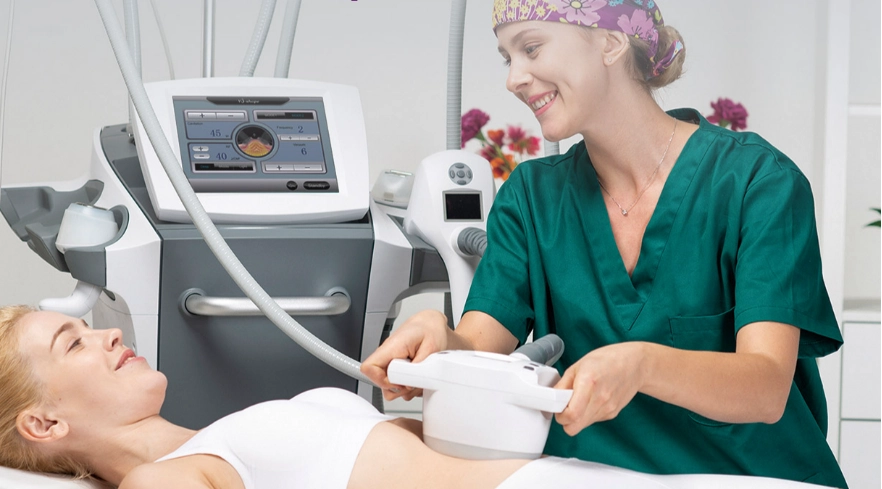
Ultrasonic cavitation is popular as a choice without surgery for shaping the body, especially for dealing with fat around the belly. But one usual question pops up: can it really cut down visceral fat, the riskier kind that sits around inner organs? The quick answer—no.
While ultrasonic cavitation can make the stomach look better by breaking up fat under the skin, its impact on deeper visceral fat is very small. This happens because of limits in biology and tech. Let’s look into this more.
Mechanism of Ultrasonic Cavitation
How Ultrasonic Cavitation Interacts with Fat Tissue
Ultrasonic cavitation operates by sending out vibrations that shake up fat cells and create warmth. This leads to fat leaking out, cells dying, better blood flow, some new collagen, and a bit of scar tissue breakdown. These bubbles from ultrasound make pressure spots that pop fat cell walls. Then, the stuff inside spills into the fluid around cells. After that, the body clears this waste through lymph and liver paths.
Key point: it lets fat drops escape into spaces outside cells, which helps with losing fat. The skin and nearby tissue stay safe because fat cells react more to these vibrations than other types do.
Depth of Penetration in Subcutaneous and Visceral Regions
How well cavitation works depends on how far the ultrasound waves go. Ultrasound can reach from very shallow spots (1–2mm deep) to deeper ones (25mm deep). Most devices in beauty clinics hit layers under the skin—usually up to 2.5 cm.
Visceral fat sits below stomach muscles, often much deeper. Ultrasound power does not go far enough to touch those stores. You can tweak frequency and power a little to change how deep it goes, but not enough for safe or good results on visceral fat.
Differences Between Subcutaneous Fat and Visceral Fat
Anatomical Location and Biological Function
Subcutaneous fat stays right under the skin. It acts as padding and stores energy. Plus, it responds well to outside treatments like ultrasound or heat waves.
Visceral fat hides deeper—around organs like the liver, pancreas, and gut. This kind handles body processes but links to issues like trouble with insulin and heart problems.
The two kinds vary in blood supply, thickness, and how they react to outside stuff. Subcutaneous fat is easier to reach and less busy in body functions than visceral fat.
Implications for Aesthetic Treatments
Due to where it sits, subcutaneous fat works great for treatments without cuts. Cutting it down helps shape the body and smooth the skin.
Visceral fat loss does not happen with skin-level tools. Aiming at it with surface methods has big hurdles. Instead, you need whole-body changes like better eating, workouts, and hormone checks.
Efficacy of Ultrasonic Cavitation on Belly Fat
Impact on Abdominal Subcutaneous Fat Deposits
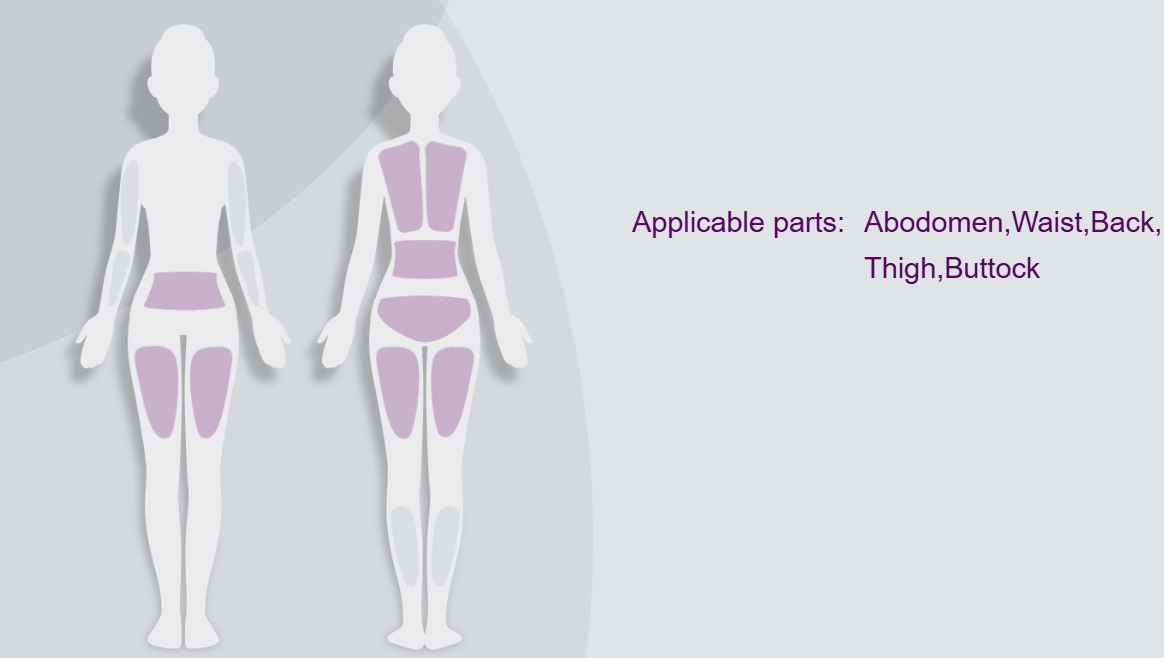
Ultrasonic cavitation can shrink bulges in the belly by hitting fat near the surface. People often see size drops of 2–5 cm after several treatments. Changes show up slowly, best over 6 to 12 weeks.
Outcomes differ based on things like:
- Number of sessions (6–12 typically recommended)
- Lifestyle habits
- Hydration and lymphatic drainage
- Individual physiology
Studies find it can cut fat cells by 14.7% to 28.5% in just one go.
Limitations in Addressing Deep Visceral Adipose Tissue
Even with strong results on outer layers, no studies back cavitation for losing visceral fat. Even powerful machines cannot go through muscles safely to hit fat inside the belly.
This matters a lot—people should watch out for claims about hitting visceral fat with cavitation.
Safety Considerations in Abdominal Cavitation Treatments
Risk of Organ Damage or Internal Complications
When done right by skilled folks, ultrasonic cavitation tools are mostly safe. The energy fades before hitting inner organs if used properly. But wrong settings or bad gear might boost chances of bruises or inside issues.
Small side effects like short-term redness or puffiness can happen, but they usually go away in a few days.
Differentiating Between Aesthetic and Therapeutic Ultrasound Use
Therapeutic ultrasound—often in physical therapy—runs at different speeds for healing tissues, not breaking fat.
Aesthetic cavitation aims to mess up fat at certain depths. Knowing device details helps with safe use and good results.
Role of Combined Modalities in Abdominal Contouring
Integrating Infrared, Radiofrequency, or Light Therapy with Cavitation
Mixing methods often boosts effects. For example, the V8-PMP system by Anchorfree mixes focused cavitation with bipolar radiofrequency and infrared light in different handles.
The V8-PMP is a Physique Management Platform that integrates six distinct technologies and is equipped with four specialized handpieces to provide comprehensive solutions for body shaping, circumferential reduction, skin tightening, and wrinkle removal.
This mix helps make more collagen, firms skin after fat loss, and aids lymph flow—extra helpful for belly shaping once subcutaneous fat drops.
Supporting Metabolic Health Through Lifestyle Interventions
To tackle visceral fat directly, daily changes are key:
- Calorie-controlled diets
- Resistance training
- Hormonal balance
- Adequate sleep
Cavitation acts as an add-on in a full health plan. It fixes looks on the outside but cannot swap for body health steps.
Clinical Recommendations for Practitioners and Clients
Selecting Appropriate Candidates for Abdominal Cavitation Treatments
Good fits are folks with fat you can pinch (subcutaneous), steady weight, and real hopes. Best clients have fat near the skin, not deep inside.
A solid check before treatment figures out if cavitation fits or if body-wide steps come first.
Best Practices for Treatment Protocols and Maintenance Plans
Several sessions every week or two are often suggested. To keep results going:
- Stay well-hydrated
- Follow a low-sugar diet
- Engage in regular movement
Devices like Anchorfree’s V8-PMP offer tailored solutions via multiple energy settings and handpieces to match client needs without downtime or discomfort.
The V8-PMP also features an ultra-quiet system, improving user comfort during body shaping care.
FAQ
Q: Can ultrasonic cavitation target visceral fat?
No. It only reaches subcutaneous fat layers and cannot penetrate deeply enough to affect visceral adipose tissue.
Q: How many sessions are needed for visible belly fat reduction?
Typically 6–12 sessions spaced weekly for noticeable improvements in body contouring.
Q: Is ultrasonic cavitation safe for the abdomen?
Yes, when performed by trained professionals using regulated equipment. Mild swelling or redness may occur temporarily.
Q: Can I combine cavitation with other treatments?
Yes. Combining with radiofrequency or infrared therapy can enhance results—systems like Anchorfree’s V8-PMP are designed for this synergy.
Q: What’s better for losing visceral fat—cavitation or exercise?
Exercise. Visceral fat responds only to systemic interventions like physical activity and dietary control—not surface-level treatments.