

6 Key Factors to Consider When Choosing a Laser for Your Clinic
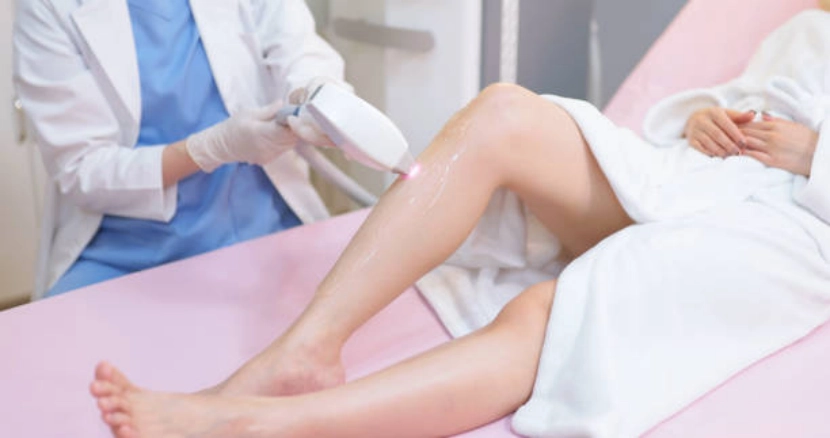
Picking a good laser setup for your beauty clinic goes beyond fancy features or nice looks, it’s about fitting the tech with your business plan, patient groups, and future growth ideas. These lasers are big buys, not toys. A bad pick can mean fewer services, safety problems, or weak results. But the right one can boost your clinic’s name and income.
Evaluating Client Needs and Treatment Demands
Identifying the Core Services Your Clinic Offers
Your clinic’s main work — like laser hair removal, skin freshening, or scar fixing — should guide your laser buying plan. For instance, if your clients often want gentle resurfacing with fast healing, a non ablative erbium (1550nm) laser is a solid choice. It works well on skin issues such as fine lines, stretch marks, and acne scars.
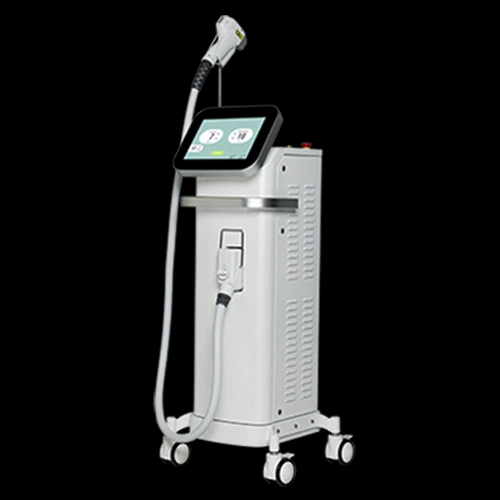
On the flip side, if hair removal is your top request, a diode setup with several wavelengths like the Anchorfree L300EU might fit better. It mixes four common wavelengths: 755nm, 808nm, 940nm, and 1064nm. This covers different hair kinds and skin colors for use all year.
Think about seasons too: laser hair removal often jumps in spring and early summer. Rejuvenation work picks up in fall and winter. Younger folks might focus on hair removal. Older clients could prefer skin tightening or spot correction.
Matching Laser Technology to Client Expectations
Clients these days want good outcomes with little pain and short breaks. Knowing this is key when choosing a machine. The L300EU has CHC patented tech and a full cooling system. It handles problems with steady, strong power, and ease during hair removal sessions. So, it’s easier to bear, even in tender spots.
For places with lots of patients, speed in treatments counts. Machines like the L300EU have a spot size of 12x25mm². This lets you do quicker sessions. And that’s important when you have many slots each day.
Technical Specifications That Impact Clinical Outcomes
Wavelengths and Their Clinical Applications
Wavelength picks what the laser hits — melanin in hair, hemoglobin in blood vessels, or water in skin layers.
|
Wavelength |
Target |
Common Use |
|
755nm |
Melanin |
Light skin hair removal |
|
808nm |
Melanin |
All skin types hair removal |
|
1064nm |
Hemoglobin & deep melanin |
Darker skin types, vascular lesions |
|
1550nm |
Water |
Skin resurfacing |
Systems with many wavelengths give wider treatment options. They let one machine deal with various problems from spots to blood vessel issues.
Pulse Duration and Energy Settings
Accuracy is big when working on different skin shades. You can change pulse lengths to send energy safer on darker tones. This avoids too much heat. For example, the L808MED by Anchorfree offers right pulse time, energy level, and skin cooling. It makes sure there’s enough heat harm to the target without hurting nearby areas.
Plus, energy density hits up to 120 J/cm² in setups like Anchorfree’s diode system. That’s plenty of strength for quick wins with fewer visits.
Suitability Across Fitzpatrick Skin Types
Safety Considerations for Diverse Skin Tones
Beauty lasers need to be safe for every skin shade if you see mixed crowds. Tech like Nd:YAG (1064nm) or diode lasers with deeper reach are usually safer for darker skin. They soak up less melanin.
The L300EU blends four wavelengths to boost depth and safety for darker skin. It cuts down burn chances and after treatment dark spots.
Versatility in Treating a Broad Client Base
Machines with built in cooling not only make things comfier but are key for deeper skin shades. The device has compressor cooling and semiconductor cooling. So, the L300EU keeps a cooler crystal and tip after use than other like machines.
This helps clinics safely handle Fitzpatrick I–VI skin types. It opens up services to more people.
Assessing Device Quality and Manufacturing Standards
Build Integrity and Component Reliability
Laser systems are complex tools that need strong building. Good parts cut down breaks and keep results steady. Marks like FDA clearance or CE are must haves for safety rules.
User Interface and Operational Ease
Look for easy screens and ready settings. The L808MED system has a 10.4 Inches TFT Color Touch Screen. It makes switching options during work simple. And it cuts training time for new workers. Ready modes also help avoid mistakes and keep treatments the same.
Warranty Coverage and Long Term Value Protection
Key Elements of a Comprehensive Warranty Plan
Check what’s in your warranty: does it cover work, pieces, or just the hand part? The L300EU gives one year or 10 million shots for the handle. That’s great for active clinics doing tons of jobs each month.
See if software updates come with it too — software & interface upgrading via USB & SD card ensures your device evolves with technological improvements.
Evaluating Total Cost of Ownership Over Time
Besides the starting price, think about supplies, how long it lasts, upkeep needs, and update choices. A bit more money upfront on a trusty name like Anchorfree might mean fewer fix costs later. That’s because of their top parts and standard marks.
Service Support and Equipment Reliability Post Purchase
Availability of Technical Support and Training Resources
Quick help from trained techs means little stop time during issues or changes. Good support is extra vital in your clinic’s peak times — nobody likes dropping slots because of machine trouble.
Maintenance Programs and Device Uptime Guarantees
Regular upkeep isn’t just nice — it’s needed to keep your beauty laser running for years. Brands like Anchorfree often give full care plans. These include self check systems, such as intelligent cooling mode free setting treatment area pre-set treatment modalities.
These built in protections reduce wear and tear issues before they become costly repairs.
FAQs
Q: What wavelength is best for laser hair removal?
808nm is considered the gold standard due to its balance between safety and effectiveness across most skin types.
Q: Can one laser machine perform multiple types of treatments?
Yes. Multi wavelength systems like L300EU can handle hair removal, pigmentation, vascular lesions, and even resurfacing.
Q: Is cooling technology really necessary?
Absolutely — especially when treating darker skin tones or large body areas. It improves comfort and reduces risk of complications.
Q: How often does a laser machine need maintenance?
This varies by usage but regular preventive maintenance every 6–12 months is typical for high use clinics.
Q: Are Anchorfree devices suitable for new clinics?
Yes. They offer intuitive interfaces, preset modes, and professional training — ideal for teams still building experience.